Blog
The True Cost of Your Local Claas Dealer: When to Go, and When to Buy Direct

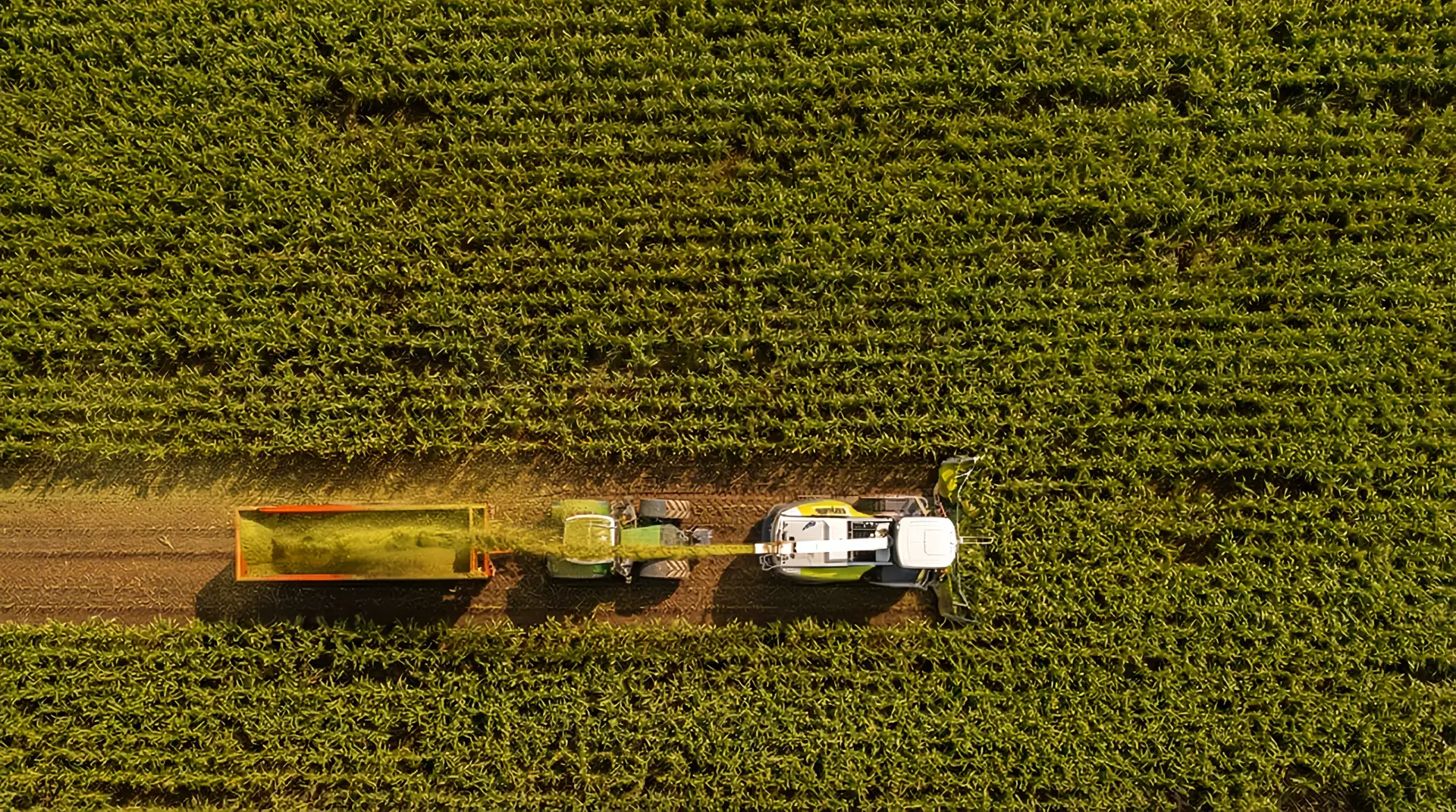
When your forage harvester suddenly grinds to a halt in the middle of a massive cornfield, panic sets in quickly. Consequently, most operators instinctively grab their phones and call the nearest claas dealer. Initially, relying on the local dealership feels like the safest and fastest way to get back to chopping. However, this convenience almost always comes with a massive financial penalty that destroys your seasonal profit margin.
Today, we will skip the traditional manufacturer sales pitch. Instead, we want to look at your parts procurement strategy from a business owner’s perspective. Furthermore, we will break down exactly what you are paying for at the dealership, and reveal how smart farm managers drastically cut costs without sacrificing machinery performance.
I. The Reality of the “Green Tax”
Why does a simple piece of steel cost so much at the local parts counter? When you buy from a traditional claas dealer, you are not just paying for the metal. Specifically, you are funding a massive corporate infrastructure. You pay for the giant glass showrooms, the local marketing campaigns, and multiple layers of middleman markups.
Ultimately, the industry calls this the “Green Tax.” You pay a massive premium simply for the logo printed on the cardboard box. However, an OEM knife does not cut silage twice as well just because it costs twice as much.
II. The Smart Sourcing Strategy: Splitting Your Orders
Experienced agricultural contractors know that they do not need to buy every single component from the same network. Therefore, they strategically split their purchasing to protect their budget:
- Software and Cab Electronics: If your onboard computer fails or a complex yield sensor breaks, you must visit your local dealership. Proprietary electronic networks remain the dealer’s true specialty.
- Active Warranty Claims: Naturally, if your new Jaguar is still under factory warranty, the dealer handles the repairs.
- Heavy Mechanical Wear Parts: This is where you bleed money. You should never buy heavy wear components (like knives, shear bars, or feed rollers) from a local middleman. Instead, smart operators source these items directly from specialized manufacturing factories.
📊 Sourcing Comparison: Local Dealership vs. Direct Factory
| Purchasing Factor | Your Local Claas Dealer | Agmishop (Direct Factory) |
|---|---|---|
| Cost Structure | Extremely High (Includes Dealer Markup) | Highly Cost-Effective (Direct Pricing) |
| Material Engineering | Standard Industry Alloy | Premium High-Carbon Forged Steel |
| Installation Fitment | 100% Original | Guaranteed 1:1 Interchangeable Match |
| Best Used For… | Emergency Electronics & Software | Stocking Up on Seasonal Wear Parts |
III. Eliminating the “Will It Fit?” Anxiety
Naturally, some operators hesitate to bypass their trusted dealership. They worry that aftermarket parts might require field modifications. Nobody has the time to drill holes or grind metal while the rain is coming. Consequently, you demand absolute reliability.
We completely understand this concern. As an autonomous manufacturer, we map the original parts perfectly. Therefore, we guarantee a 100% 1:1 fitment on all our mechanical components. When you open our package, the part drops effortlessly into your cutterhead, installing just as smoothly as the expensive OEM alternative.
IV. Take Control of Your Harvest Budget
In conclusion, you control your own profitability. Do not let overpriced branded boxes dictate your maintenance budget. By stocking a smart inventory of critical wear parts in your own shop, you eliminate the panic of breakdowns and free yourself from local dealership hours.
Are you ready to stop paying the green tax? Take charge of your preventative maintenance today. Explore our massive, ready-to-ship inventory of Forage Harvester Spare Parts. Visit Agmishop now to secure industrial-grade quality directly from the source.