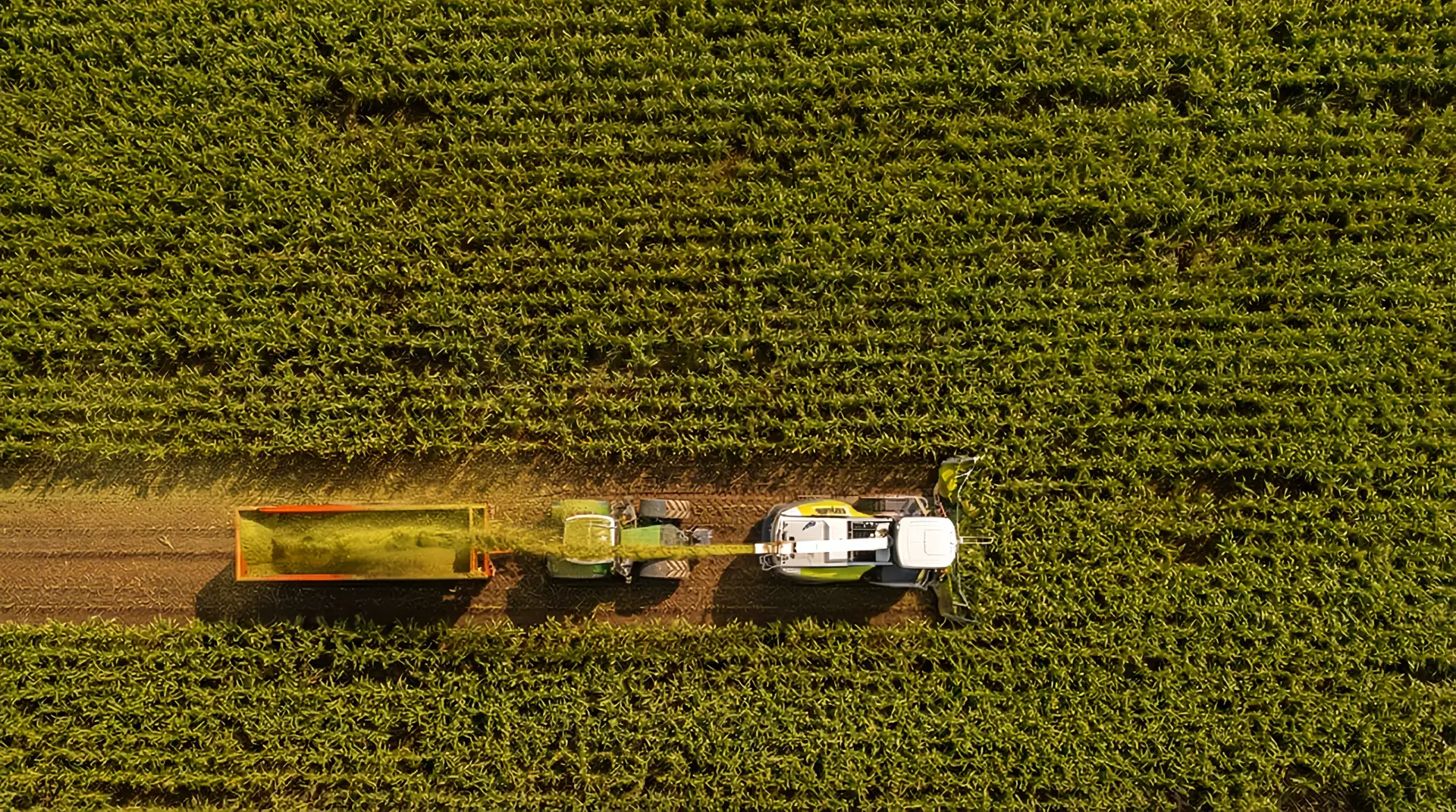
Every contractor knows the feeling: You are in the middle of a massive corn field, the rain is coming, and you have to stop. Why? Because your knives are dull, and the machine is burning diesel like crazy.
When shopping for replacement parts, the price difference between Standard Steel Knives and Tungsten Carbide Knives can be shocking. Carbide parts can cost 2x or 3x more upfront.
But does that higher price tag translate to profit? Or is it just marketing hype?
In this guide, Agmishop breaks down the math. We compare lifespan, fuel efficiency, and the “Cost Per Acre” to help you decide which knife is right for your harvest.
The Material Difference: What is Carbide?
To understand the value, you must understand the metallurgy.
Standard Heat-Treated Steel
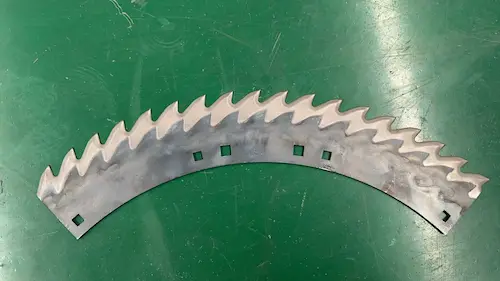
Standard knives are made from high-carbon steel that is hardened (heat-treated). They are excellent at taking an edge and are relatively inexpensive. However, in abrasive conditions (like sandy soil), the steel wears away quickly, requiring frequent sharpening.
Tungsten Carbide Coating
Carbide knives start with the same high-quality steel base but are coated or inlaid with Tungsten Carbide—one of the hardest materials on earth.
The Benefit: As the steel base wears, the carbide layer remains, creating a “self-sharpening” effect. The edge stays aggressive for much longer.
Let’s look at the numbers. While the upfront cost of Carbide is higher, the Total Cost of Ownership (TCO) tells a different story.
Performance Comparison Table
Upfront Cost
Low ($)
Medium/High ($$$)
Wear Life (Lifespan)
1x (Baseline)
3x – 5x Longer
Sharpening Frequency
Frequent (Daily or more)
Low (Less downtime)
Fuel Efficiency
Drops quickly as edge dulls
Stays High (Edge remains sharp)
Best For
Rocky fields / Occasional use
Sand, High Yield Corn, Contractors
Real Cost Per Acre
Higher (Due to replacement frequency)
Lower (Long term value)
(Note: Lifespan varies based on soil conditions and crop type.)
The Hidden Cost of “Cheap” Knives
If you buy standard knives, you aren’t just paying for the metal. You are paying for:
Downtime: Every time you stop to sharpen or replace knives, the harvester is idle.
Fuel: A dull knife requires significantly more horsepower to chop the crop.
Labor: The mechanic’s time to swap out sets.
Carbide knives eliminate these hidden costs.
When Should You Stick to Standard Steel?
Is Carbide always better? Not necessarily. We want you to buy the right part, not just the expensive one.
The “Rocky Field” Risk
Carbide is extremely hard, which means it can be brittle. If you are harvesting in fields with lots of large stones or rocks, a direct impact can chip or shatter the carbide layer.
Recommendation: If you operate in very stony conditions, Standard Steel Knives are often the safer, more economical choice because they are more forgiving of impact.
Why Buy Carbide Knives from Agmishop?
Competitors like Landa Parts Center act as distributors. They buy parts, mark them up, and sell them to you.
Factory Direct: We manufacture our carbide knives. You aren’t paying for a middleman’s warehouse.
Premium Technology: We use advanced laser-cladding technology to ensure the carbide bonds perfectly to the steel.
Global Shipping: Whether you need a set for a Claas Jaguar or a John Deere 8000, we ship directly to your farm.
Conclusion: Invest in Your Harvest
If you are a contractor or a large-scale farmer working in sandy or normal soil conditions, Carbide Knives are an investment that pays for itself within the first week of harvest.