
Blog
The Terrifying Surge: Diagnosing Forage Harvester Hydraulic Drive Failures

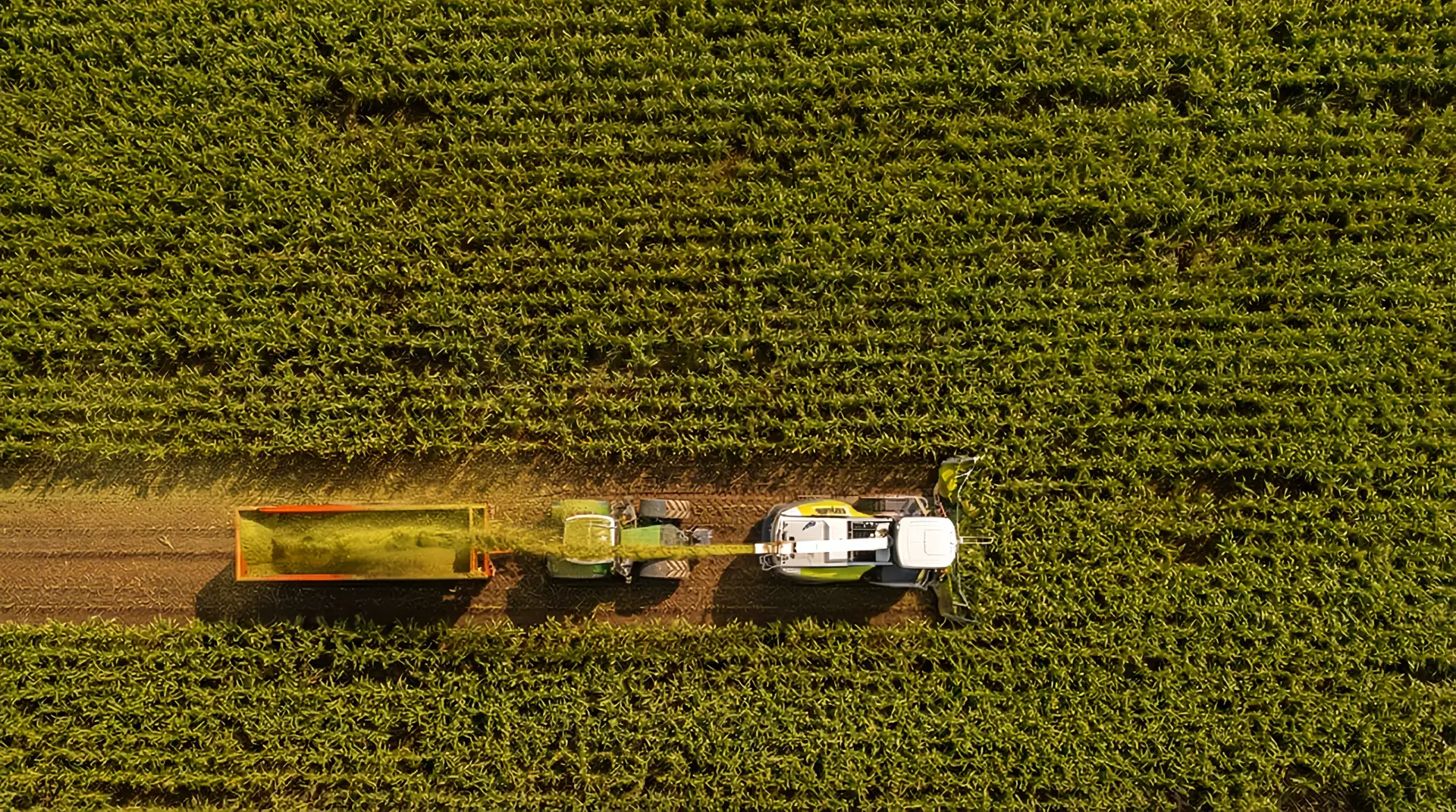
Every operator knows the terrifying feeling. You push the hydrostatic joystick forward, and the heavy machine completely ignores you. Or worse, the chopper suddenly surges forward uncontrollably. Consequently, forage harvester hydraulic problems create massive safety risks in the field and halt your entire harvesting operation.
Today, we will skip the sales talk. Instead, we dug deep into international mechanic forums to analyze what actual operators experience when their drive systems fail. Furthermore, we will break down the most common symptoms and reveal the hidden causes behind these dangerous hydrostatic malfunctions.
Common Symptoms Reported by Operators
When the drive system fails, it rarely happens quietly. Specifically, farm managers and operators consistently report these four terrifying behaviors in the field:
- First, the machine experiences Sudden Surging . The harvester accelerates violently without any extra input from the driver.
- Second, you encounter a Dead Joystick. You push the drive handle, but the machine sits completely still.
- Third, the system suffers from Delayed Hydraulic Response. The machine reacts to your hand movements several seconds late.
- Finally, the Front-Wheel Drive Acts Erratically. The machine loses its smooth pulling power, especially in muddy conditions.
Forum-Verified Causes for Hydraulic Failures
Therefore, what actually causes these massive machines to misbehave? Based on countless mechanic discussions, we can narrow the root causes down to a few critical components.
1. Solenoid Valve Sticking
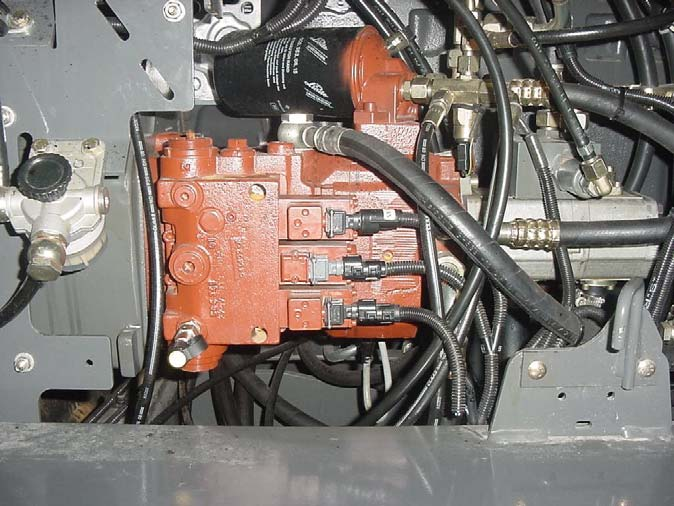
Usually, the problem does not lie in the massive hydraulic pump itself. Instead, a tiny solenoid valve causes the massive surge. Over time, microscopic dirt or metal shavings contaminate your hydraulic fluid. As a result, the solenoid valve sticks open or closed. When this happens, oil floods the drive motor uncontrollably, causing the machine to leap forward. You must inspect your hydraulic filters and clean the valve block immediately.
2. Joystick Potentiometer Damage
Furthermore, the drive handle takes a lot of physical abuse. Inside that joystick, a small potentiometer translates your hand movement into electrical signals. Aggressive shifting and cab dust eventually destroy this sensitive sensor. Consequently, the main computer receives erratic signals or “dead spots,” causing the machine to ignore your commands completely.
3. Hydraulic Module Calibration Failure
Ultimately, modern choppers rely heavily on software to manage the physical pumps. Sometimes, the hydrostatic module simply loses its calibration due to a voltage drop or software glitch. Therefore, the system cannot match the pump output to the joystick position. You should always try to recalibrate the hydrostatic system through the cab monitor before you start replacing expensive hard parts.
📊 Diagnostic Guide: Symptoms vs. Most Likely Causes
| Operator Symptom | Most Likely Root Cause | Recommended First Step |
|---|---|---|
| Sudden Surging / Acceleration | Sticking Solenoid Valve | Clean valve block & change hydraulic filters |
| No Response to Joystick | Joystick Potentiometer Failure | Test joystick voltage output with a multimeter |
| Delayed/Sluggish Response | Hydraulic Pump Control Fault | Check pump pilot pressure |
| Erratic Overall Behavior | Module Calibration Failure | Run monitor recalibration sequence |
Take Control of Your Harvest Uptime
In conclusion, you must address any hydrostatic anomalies immediately to prevent dangerous accidents. Diagnosing electrical gremlins takes time and patience. However, while you troubleshoot the electronics, you must ensure your mechanical chopping system remains in perfect condition.
Don’t let worn mechanical parts add to your stress. While you fix the hydraulics, make sure your cutterhead is ready to perform. Explore our massive inventory of premium Forage Harvester Spare Parts directly at Agmishop. Stock up on reliable, factory-direct components today and eliminate unnecessary harvest downtime.