
Blog
The 5,000-Hour Crisis: Surviving Mercedes Engine Failures in Your CLAAS Jaguar

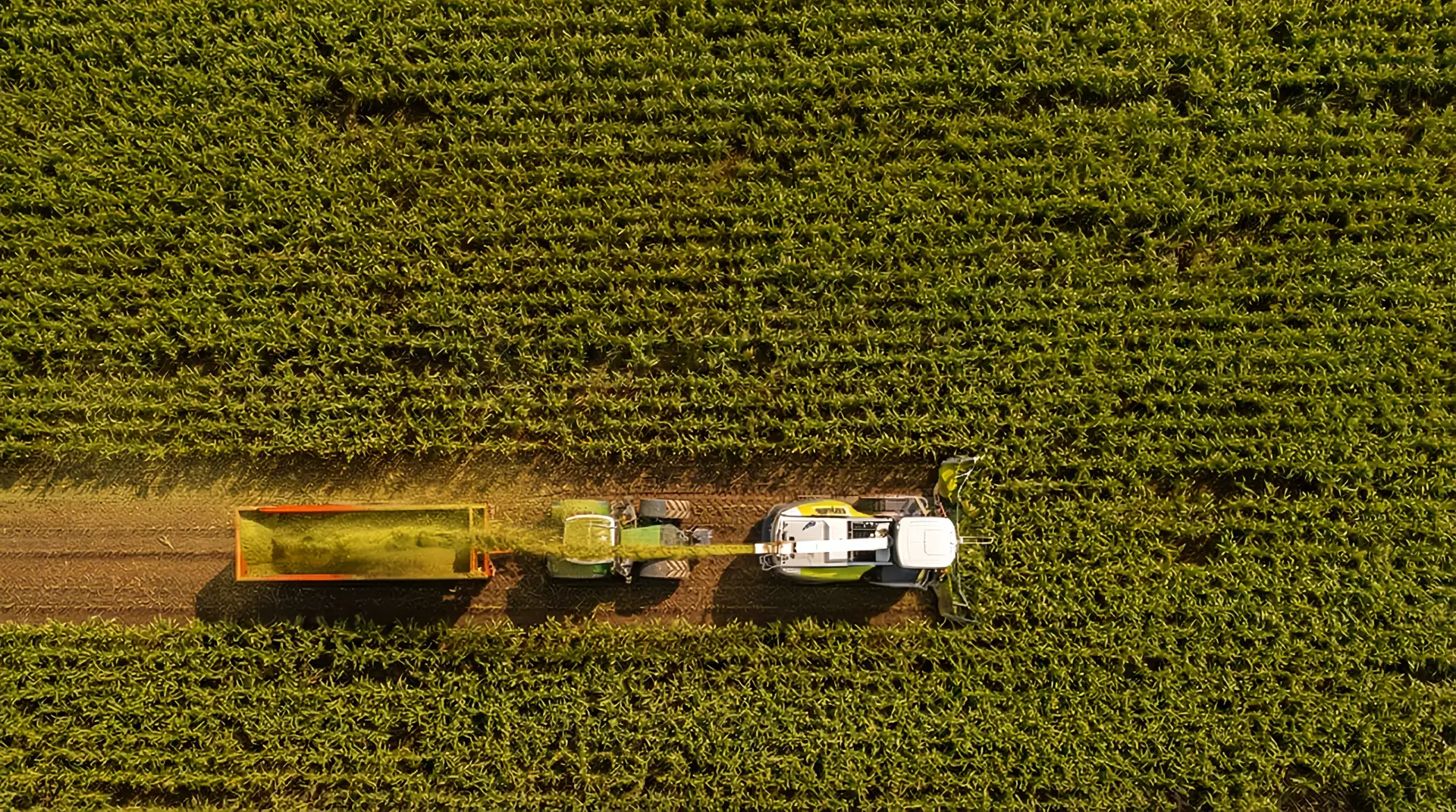
For CLAAS Jaguar owners, the 3,500 to 5,000-hour mark represents a stressful milestone. Consequently, discussions in German forage harvester forums frequently center on a terrifying topic: Mercedes OM502 engine failure. When the harvest window closes and your engine loses power, the financial stakes reach an all-time high.
Today, we will skip the commercial brochure. Instead, we want to analyze the specific engine issues reported by real operators. Furthermore, we will explore why these failures peak during heavy corn harvests and how you can protect your engine by optimizing your machine’s mechanical efficiency.
Common Symptoms of a Failing OM502 Engine
Experienced operators usually notice small changes before a catastrophic failure occurs. Specifically, forum users consistently report these five warning signs:
- Sudden Drop in Engine Power: The harvester struggles to maintain RPM even in average crop density.
- Piston Scuffing : Usually caused by extreme heat during full-load corn harvesting.
- Broken Valve Springs : A common mechanical weak point in high-hour OM502 units.
- High-Temperature Alarms: The cooling system cannot keep up with the engine’s internal friction.
- Massive Overhaul Costs: Once internal damage occurs, repair bills often exceed tens of thousands of dollars.
The Link Between Chopping Efficiency and Engine Stress
Why do these engines fail specifically between 3,500 and 5,000 hours? Many operators link this to long-term fatigue from full-load corn harvesting. When your chopper’s knives are dull or the shear bar is worn, the Mercedes engine must work twice as hard to push the material through the drum.
Consequently, this extra resistance increases internal engine temperatures significantly. In contrast, a machine with a sharp, high-performance chopping system reduces the torque required from the engine. Therefore, maintaining your wear parts is not just about silage quality; it is your engine’s first line of defense.
📊 Risk Analysis: High-Hour Maintenance Strategy
| Engine Status (Hours) | Risk Level | Most Likely Issues | Recommended Action |
|---|---|---|---|
| 0 ~ 2,500h | Low | Minor leaks/hoses | Routine Oil Changes |
| 2,500 ~ 3,500h | Moderate | Valve adjustments/Belt wear | Detailed Valve Inspection |
| 3,500 ~ 5,000h | High Risk | Valve springs / Piston Scuffing | Immediate Part Upgrades |
| Above 5,000h | Extreme | Complete Block Failure | Full Overhaul / Replacement |
How to Reduce the Load on Your OM502
Ultimately, you cannot control the engine’s age, but you can control the load you place on it. To prevent overheating and piston damage, you must ensure your CLAAS Jaguar parts are in peak condition. Specifically, sharp knives and a precision-set shear bar allow the engine to “breathe” and run at lower exhaust temperatures.
Furthermore, checking your feed rollers and kernel processors regularly prevents unnecessary power spikes. If your chopping system is dragging, your Mercedes engine is paying the price.
Secure Your Harvest Profitability Today
In conclusion, the 5,000-hour mark does not have to mean the end of your machine. By addressing engine symptoms early and maintaining a high-efficiency chopping system, you safely navigate the high-risk zone. Do not wait for a catastrophic to take action.
Is your Jaguar ready for the high-load season? Reduce the stress on your Mercedes engine right now. Explore our premium range of factory-direct CLAAS replacement parts and ensure your machine stays sharp when the harvest begins.