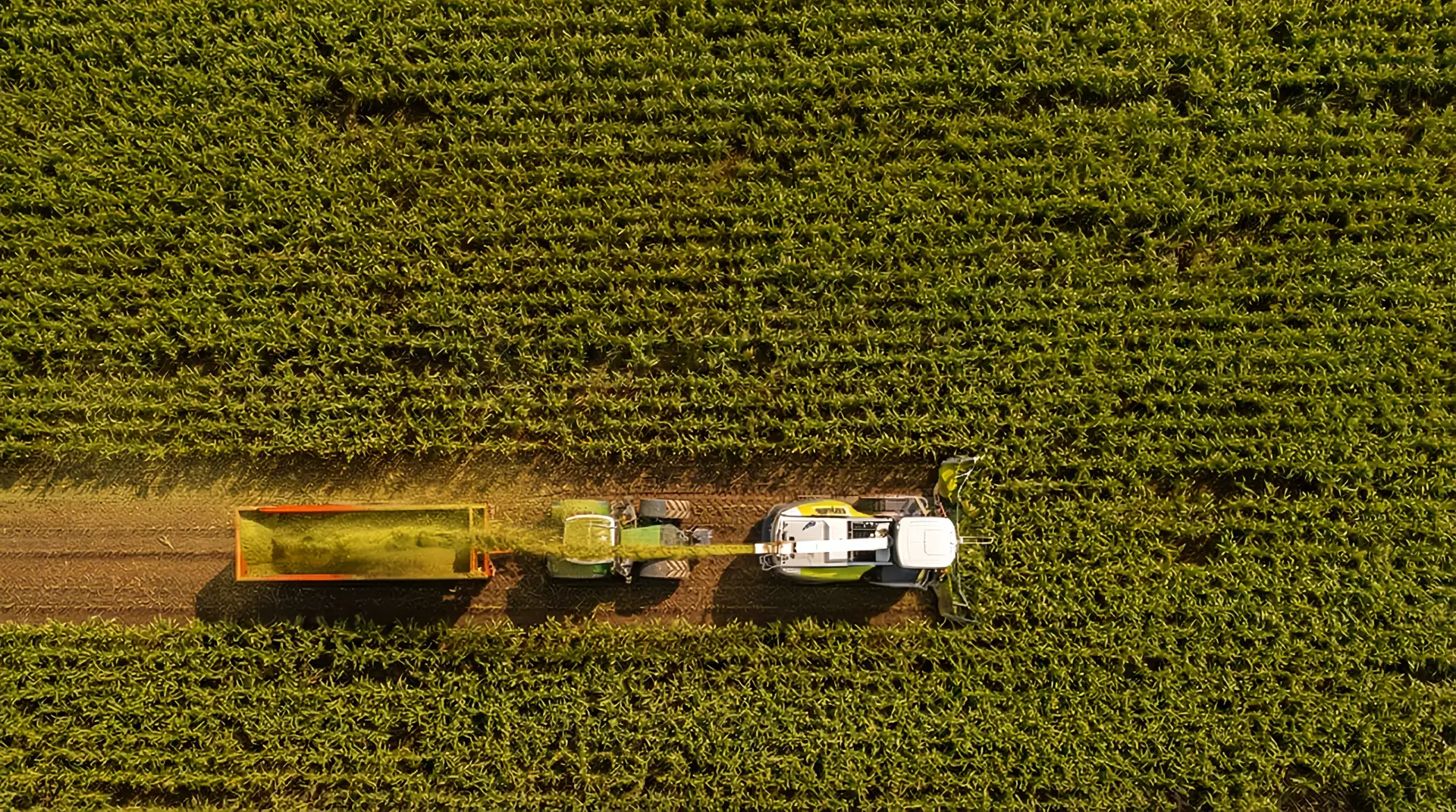
The smell of burning rubber in a corn field is never a good sign. It means your drive belt is slipping, your chopping drum is losing speed, and a blockage is imminent.
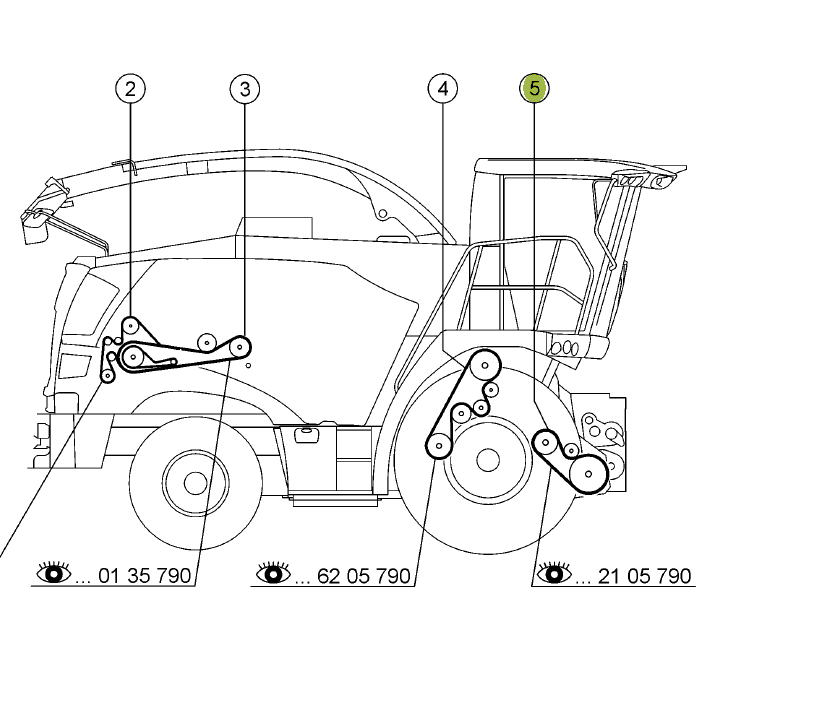
In a modern forage harvester like the Claas Jaguar or John Deere 8000, the belts are the muscle that transfers massive engine horsepower to the chopping assembly. If the belt fails, the harvest stops.
In this guide, we explore the critical role of powerbands, how to spot early signs of wear, and why upgrading to Aramid (Kevlar) cord belts is the best decision for your machine.
Understanding the “Powerband” (Main Drive Belt)
Unlike a standard V-belt found in a car, the main drive belt on a forage harvester is typically a Powerband.
Structure: It consists of multiple V-belts joined together by a high-strength tie-band at the top.
Function: This design prevents the belts from whipping or turning over in the pulley grooves under the shock loads of uneven crop feeding.
Why Standard Belts Fail
A standard rubber belt cannot handle the 600-800HP output of a modern harvester. It will stretch and snap. You need belts reinforced with high-tensile cords to match the OEM specification.
3 Signs Your Harvester Belt is About to Fail
Don’t wait for the belt to snap. Check for these signs during your morning maintenance routine.
1. Glazed or Shiny Sidewalls
If the sides of the V-belt look polished or shiny, the belt has been slipping.
The Cause: Low tension or overloaded machine.
The Result: Reduced grip. Once a belt glazes, it will never grip properly again. It needs replacement.
2. Separation of the Tie-Band
Look at the fabric band that joins the belts together. If it is peeling off or bubbling, the belt’s structural integrity is gone. This often happens when debris (stones or corn cobs) gets trapped in the pulley.
3. Bottom Cracking
Bend the belt backward slightly to inspect the underside. Small cracks indicate heat damage and aging. While minor surface cracks are normal, deep cracks mean the belt could snap under load.
The Agmishop Difference: Aramid (Kevlar) Cords
When you buy a replacement drive belt from Agmishop, you aren’t just buying rubber. You are buying strength.
What are Aramid Cords?
We use Aramid (commonly known as Kevlar) tensile cords in our premium forage harvester belts.
High Strength: 2x stronger than steel by weight.
Zero Stretch: Unlike polyester cords, Aramid does not stretch under load. This means your tension settings stay correct longer, ensuring consistent drum speed.
Maintenance Tip: Check Your Tensioner
Even the best belt will fail if the tension is wrong.
Hydraulic Tensioners: Check for leaks. If the cylinder loses pressure, the belt slips.
Spring Tensioners: Check the spring length against the manual. Springs lose elasticity over time.
Checking belt tension on a Claas Jaguar
H2: Conclusion
Your forage harvester is a high-performance athlete. Don’t put it in cheap shoes.
Ensure maximum power transfer and fuel efficiency by installing Agmishop’s Aramid-reinforced drive belts. Designed for Claas, John Deere, and New Holland, tested for the toughest harvest conditions.